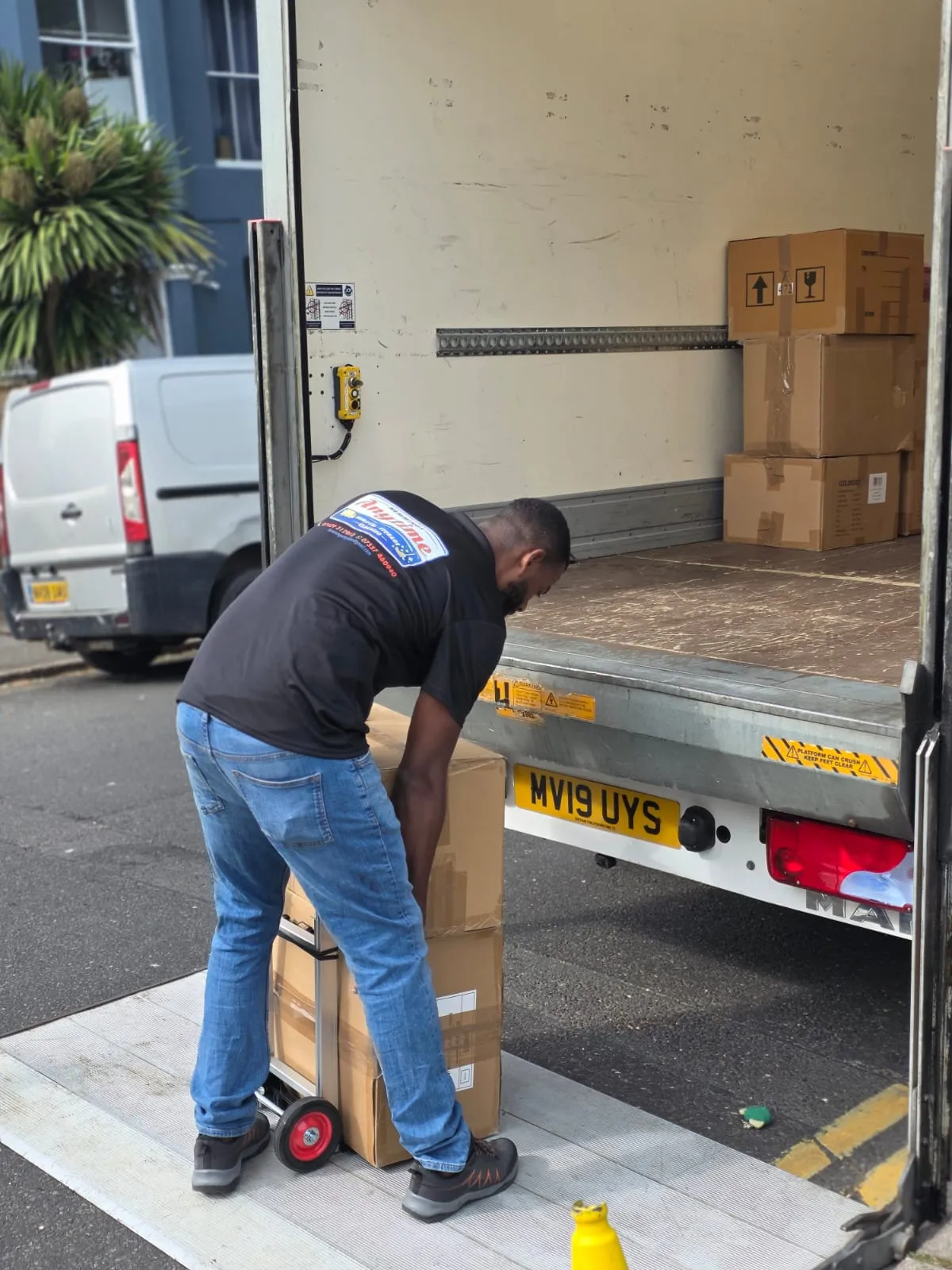
Decide whether a man and van suits your move
A man and van enquiry is a practical starting point when the job is smaller than a full household relocation. You might have a few pieces of furniture, packed boxes from a room, or an item waiting at a seller's address. The important distinction is the work involved, rather than the name of the vehicle. A short journey with difficult stairs can require more planning than a longer journey between two easily accessible doors. Describe both the items and the route they will take through each property when you contact Hemmings Anytime.
Start by writing down everything that needs transporting. Separate items which are ready to move from items you are still deciding about. Include dimensions for the largest pieces and explain anything unusual about their weight, shape or condition. A photograph of a sofa does not show whether its legs come off, whether it has a reclining mechanism, or whether it must pass through a narrow landing. Those details help establish the scope before a date is agreed. If you are moving a complete home, compare this service with the existing house removals page and discuss the whole inventory rather than assuming several small bookings will be simpler.
Plan furniture collections and single-item deliveries
Collecting a second-hand table or transporting a wardrobe involves three people or groups: the person releasing the item, the transport team, and the person receiving it. Agree who will be present at each address and how they can be contacted. Ask the seller whether the item is on the ground floor, in an upstairs room, or in a separate outbuilding. Establish whether it is assembled and whether any parts have already been removed. The description used in an advert may omit a heavy glass top, additional shelving or an awkward base.
Measure the item and the access route before booking. Check doorway openings, corridor turns and the receiving room, rather than measuring only the empty space where it will eventually sit. For a dining table, for example, the top may fit through the entrance while the assembled frame does not turn on the stairs. Do not dismantle anything beyond your ability or assume assembly work is included. Ask what preparation is needed and what work can be agreed. Keep fixings in a labelled bag and attach clear instructions for any loose parts. Confirm that collection permission is in place and that the recipient can accept the delivery during the agreed window.
Prepare boxes and belongings for transport
A useful packing plan makes the load easier to identify and reduces confusion at delivery. Use boxes which are suitable for the contents, close them securely, and label them by room or destination. Smaller boxes are often easier to handle when the contents are books or other dense objects. Avoid putting everything into one large container simply because there is enough space. Describe particularly heavy boxes in your enquiry so the handling requirements can be discussed. Keep essential documents, keys, medicines and valuables with you rather than mixing them into an unmarked load.
Empty loose contents from furniture where appropriate and explain any drawers or doors which cannot be secured. Fragile objects need suitable protection before transport; ask about the preparation expected for your particular items. Photographs can help communicate condition and identify existing damage, but they do not replace a clear discussion about handling. If a piece is unstable, has a loose glass panel or has previously been repaired, mention that before moving day. Leave a clear route from the room to the exit and separate items that are staying behind. A labelled list is especially helpful when only some furniture in a shared house is being collected.
Brighton parking and collection access
Brighton & Hove City Council publishes parking-suspension information, including arrangements relevant to removal vehicles. Its moving-home guidance also notes that parts of the city have resident parking schemes. These are reasons to check the actual street at both ends of a move, rather than assuming that a space outside the front door will be available. Use the council's current information to understand whether an application is appropriate for your address and date. Do not rely on a remembered fee, an old notice period or a previous resident's permit.
Tell Hemmings Anytime where the vehicle could stop, the distance between that position and the door, and any signs or restrictions you have identified. For a flat, also describe the communal entrance, entry system, floor level and lift access. The existence of a parking space does not establish that every vehicle can use it or remain there for the required period. If the proposed loading position changes, discuss the revised carrying distance before the job. Council confirmation and building permission are separate matters: reserving street space does not automatically grant access to a private courtyard or loading area. Ask the relevant owner or manager about private arrangements, and make clear who is handling any necessary enquiries.
Coordinate a small flat or room move
A room move can be complicated by shared entrances, uncertain handover times and items belonging to different residents. Make a collection list which identifies your belongings and the destination for each group. If you are taking items to more than one address, explain that at the quotation stage. A second stop affects the plan even when it is close to the first one. Tell the team whether another person will open the door or whether you will travel separately to the receiving property. Do not assume passenger transport is part of an item collection.
Arrange the timing around confirmed access. If a landlord or agent has not yet released keys, make that uncertainty clear before you agree a delivery. Think about where items can be placed while you obtain access, but do not presume temporary storage is included. Where storage may be needed, discuss it as a separate part of the enquiry and use the existing storage service information. Prepare one bag of essentials for the period between leaving and unpacking. For a furnished room, check which items belong to the property and which you are entitled to remove. Resolve ownership questions in advance so the transport team is working from an agreed inventory.
Describe handling needs and practical boundaries
A transport request should distinguish moving work from installation, plumbing, electrical work and specialist handling. If a washing machine or other appliance is involved, explain its condition and whether it has been disconnected by an appropriate person. Do not expect a transport booking to establish that an item is safe to disconnect or operate. Ask which parts of the job Hemmings Anytime can accept and which preparation remains your responsibility. This gives both sides a practical checklist and avoids an awkward decision when the vehicle arrives.
Large, delicate or unusually valuable objects may need a separate assessment. Provide honest measurements and condition information, and ask whether the proposed service is suitable. If an item cannot pass safely through the available doorway or stairwell, forcing it is not a useful plan. Discuss alternatives before the collection. Similarly, mention outdoor steps, uneven paths, gates, pets and anything else that could affect the route. Clear away obstacles you can safely remove, but do not attempt risky lifting just to make the job look ready. The purpose of preparation is to make the agreed work understandable, not to disguise the difficulty of access.
Compare the scope before choosing transport
When comparing quotations, look at what each enquiry actually includes. Collection and delivery addresses, loading and unloading arrangements, item quantities, stairs, carrying distance and additional stops should be described consistently. A quote for a sofa from a ground-floor entrance is not directly comparable with a quote for the same sofa from an upstairs room. Ask how changes to the inventory or access should be reported. If you buy another item after the original discussion, explain it rather than assuming spare vehicle space will be available.
Hemmings Anytime has existing removal, clearance and storage service information which can help you frame the enquiry. Transporting belongings to a new address is different from clearing unwanted contents for disposal. If your job includes both, identify each group and ask how those requirements can be coordinated. This page does not promise a particular vehicle size, crew number, hourly rate or immediate booking. The useful next step is to describe your own job and establish an agreed scope. Keep a written record of the items, addresses and preparation so everyone involved is working from the same understanding when arrangements are confirmed.
Request your Brighton man and van quotation
A clear Brighton enquiry can begin with a short summary: what is moving, where it is coming from, where it is going, and when you would prefer the collection. Follow that with the largest item dimensions, photographs if available, floor levels, stairs or lift details, and the likely loading positions. Explain any uncertainty about key handover or the seller's availability. You do not need to solve every question before contacting the business, but distinguishing confirmed information from assumptions makes the discussion more useful.
Use the quote link, telephone number or existing WhatsApp contact to reach Hemmings Anytime. Ask about suitability and availability for your proposed date before making commitments to a seller or arranging building access around an unconfirmed time. Once the scope has been discussed, check who will be present at collection and delivery, which preparations you have agreed to complete, and what to do if circumstances change. Recheck the council information where street arrangements are relevant. On the day, keep your inventory and contact details accessible, leave the route clear, and identify any items which must stay. Careful preparation gives a small move the same clarity that a much larger relocation needs.
Read our man and van service guide before discussing your Brighton enquiry.