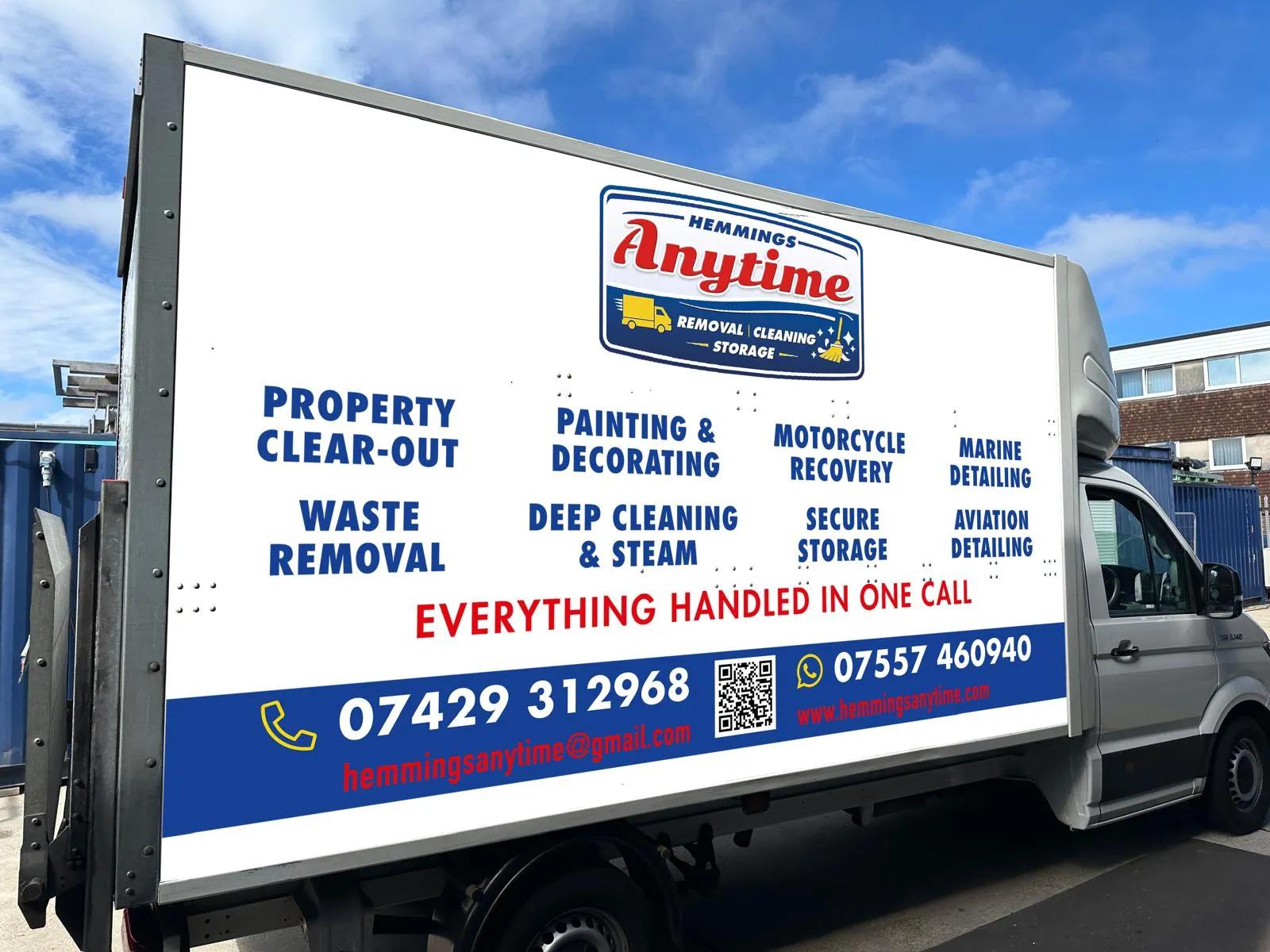
Identify the rubbish you need collected
A rubbish removal enquiry works best when it describes the actual materials. Several bags of packaging, an unwanted chair and debris from a project are different loads with different questions to resolve. Begin with an inventory that separates bulky objects from bagged or boxed material. State where everything is stored and whether the contents of the bags are known. Photographs can help show the volume, but a photograph of closed bags cannot establish what is inside. Explain their contents instead of describing the whole collection as general rubbish.
Hemmings Anytime can discuss a collection against that inventory and confirm which items are suitable for the proposed job. Do not assume that every material will be accepted because waste removal appears in a service name. Mention electrical items, liquids, sharp objects and anything of uncertain composition separately. If you cannot identify a substance, leave it undisturbed and ask about an appropriate assessment. A useful starting point is a short description of how the material arose: a household clear-out, a furniture replacement or another activity. That context helps distinguish an ordinary collection enquiry from work which may require a different arrangement.
Separate waste types before agreeing the load
Sorting the proposed collection helps everyone understand what is being discussed. Keep furniture separate from loose household material, and identify electrical objects rather than hiding them among general bags. Where packaging is clean and suitable for another collection route, check the current local information before combining it with everything else. The aim is not to create a complicated sorting system, but to avoid presenting a mixed load whose contents nobody can explain. A few clearly described groups are more useful than a rough guess at the number of bags.
Do not compress or break objects simply to reduce the apparent volume. That can make their condition harder to assess and may create awkward edges or unidentified fragments. If you have already dismantled an item, explain what parts remain and whether fixings or glass are included. Use containers appropriate to what they hold and ask about any preparation you are unsure of. Tell the business if materials are wet, have been left outdoors or are difficult to reach. Accurate descriptions should cover the condition as well as the quantity. If additional rubbish is discovered after the quote discussion, report the change before collection rather than adding it to the pile without agreement.
Plan bulky furniture and larger household items
Bulky objects need a practical route from their current position to the collection vehicle. A sofa in an upstairs room is a different job from a sofa in a ground-floor garage, even when both are the same size. Provide approximate dimensions, describe stairs and doorway turns, and explain whether an item is assembled. Tell the team about loose parts or existing damage which may affect handling. Ask what preparation should be agreed instead of attempting difficult dismantling or lifting before you know what is required.
Clarify whether the furniture is unwanted material or an item you want delivered elsewhere. Rubbish collection and transport have different purposes, and describing the destination makes the enquiry clearer. If you would prefer to offer usable furniture to someone else, arrange that separately and keep it out of the agreed rubbish inventory. A possible recipient is not a confirmed collection. Do not leave a bulky object in a shared corridor while waiting for someone to decide. Identify what Hemmings Anytime is being asked to remove, what is staying, and which items have another arrangement. This prevents one collection plan from being confused with a different person's expectations for the same furniture.
Brighton collection routes and local options
Brighton & Hove council publishes local rubbish and recycling information, including advice about electrical items and bulky household collections. Those options may be relevant when you are deciding how to deal with particular unwanted items. Check the current official guidance for the item type and your circumstances. This page does not reproduce a fixed council price, collection deadline or item limit, because conditions can change. Comparing options is most useful when you have already identified the load and know where it can be collected from.
For an agreed private collection, check the actual loading position as well. The council's parking information explains a suspension process and its moving-home guidance notes resident parking schemes in parts of the city. Whether a particular arrangement is appropriate depends on the address and proposed work. Tell Hemmings Anytime about street signs, possible vehicle positions and the distance to the items. For a managed building, also ask about communal access and any collection arrangements controlled by the owner or manager. A pavement, shared entrance or neighbouring parking bay should not be treated as temporary storage simply because it looks convenient. Plan where the load will remain and how the team will reach it without creating an obstacle for other people.
Make collection access clear and manageable
Give an accurate account of where the rubbish is located. Items might be in a room, a garage, a garden or several separate parts of the property. Explain locked gates, narrow paths, steps and any need to pass through an occupied area. If there is a communal door, establish who will open it and how the team can contact that person. A photograph of the entrance can be useful alongside the inventory. It should show the relevant route rather than assume the team can infer it from the postcode.
Clear accessible obstacles where you can do so safely, but do not drag heavy objects or move uncertain materials just to gather everything into one place. Ask where the agreed items should stay before collection. Keep children and pets away from the working route and identify anything which must remain. If access changes after the original discussion, explain the change promptly. For example, a locked side gate may mean carrying items through the house rather than directly from the garden. That is a material change to the plan. A collection should proceed against known conditions, with a contact available to answer questions, rather than rely on improvisation around restrictions nobody mentioned.
Ask about acceptance and responsible handling
Before a waste collection is agreed, discuss the materials, acceptance conditions and the details you should obtain about the person receiving them. GOV.UK provides household-waste guidance and a way to check relevant carrier information. Refer to that official source for current requirements. A promotional statement on any company's website is not the same as checking the relevant record. Ask Hemmings Anytime what information it can provide for the proposed collection and retain the agreed details for your own records. This page does not independently certify a registration or a disposal facility.
Avoid making assumptions about every object's eventual destination. Recycling, reuse and disposal depend on the material and the arrangements actually agreed. Do not expect an exact recycling percentage or promise that no material will reach a particular route without evidence. Explain anything unusual about the load before collection so it can be considered rather than discovered later. If your enquiry concerns waste from a business activity, identify that clearly: the household guidance is not a substitute for the government's separate commercial-waste information. Where specialist advice is needed, use an appropriate source before proceeding. Transparent descriptions and verifiable records are more useful than broad assurances which do not address the load in front of you.
Choose the right service for a larger clear-out
Rubbish removal is often appropriate to discuss when you have a defined group of unwanted items. If the task involves deciding what to remove from an entire property, a house clearance enquiry may provide a better description of the work. The difference is the planning and scope rather than a hard rule about the number of objects. A room-by-room clearance can include sorting decisions and protected keep areas, while a collection may start from an already agreed inventory. Use the existing service information to explain which outcome you need.
Garden material and unwanted furniture should still be identified individually, even if they will be discussed within the same enquiry. Do not treat a general collection request as confirmation of specialist materials or commercial quantities. For a mixed job which includes moving retained belongings, identify their destination and ask about removal services separately. When comparing quotations, give each provider the same item list, location and access information. A headline price based on a different load is not a useful comparison. Ask how additions, cancellations or changes in access should be communicated, and keep the final agreed list available for the person who will meet the collection team.
Request a Brighton rubbish removal quote
Start your Brighton enquiry with the types of rubbish, approximate quantities, bulky item dimensions and the address. Add photographs where they help describe the load, then explain stairs, gates, the carrying distance and any proposed loading position. Mention uncertain contents, electrical items and separate groups of material rather than leaving those details until the team arrives. Give a preferred date and explain any deadline, while recognising that suitability and availability must be confirmed with Hemmings Anytime. The quote form, phone and existing WhatsApp link provide ways to discuss the job.
Before confirming arrangements, check which items are accepted, what preparation is expected and who will authorise the collection. Review local council options for items which may suit another route, and use official household or commercial-waste guidance where appropriate. If someone else is meeting the team, share the current inventory and identify what must remain. On the day, keep access clear and raise any last changes before items are taken away. After collection, check the area against the agreed scope and retain relevant information about the job. A clearly defined enquiry makes rubbish removal easier to organise and avoids treating a collection as permission to add materials which have never been assessed.
Read our rubbish removal service guide before discussing your Brighton enquiry.